Source Self Drilling Mushroom Head Roofing Screws for Roofing
Compare 30 self drilling mushroom head roofing screws from verified Chinese manufacturers. Buyers can evaluate specifications like material, grade, surface treatment, and drive types for roofing construction projects. Detailed product data includes standard codes, packing options, and sample availability for efficient sourcing decisions.
Key considerations
Products List




Comprehensive Sourcing Guide
Self Drilling Mushroom Head Roofing Screws Sourcing Guide
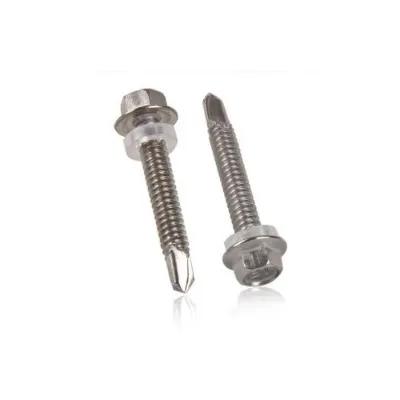
Procuring self-drilling fasteners for roofing applications requires a nuanced understanding of material science and mechanical performance. These specialized screws combine drilling, tapping, and fastening capabilities into a single operation, significantly reducing installation time on metal-to-metal or metal-to-wood connections. Buyers must distinguish between standard hex-head variants and mushroom-head designs, which offer a low-profile aesthetic and enhanced weather sealing. The selection process hinges on matching the screw’s point geometry and thread pitch to the specific thickness and hardness of the base material being penetrated.
The market offers a wide array of options, ranging from carbon steel to stainless steel constructions, each with distinct corrosion resistance profiles. Sourcing decisions should prioritize the intended environment, as coastal or industrial settings demand higher-grade materials to prevent premature failure. Additionally, the availability of customization services allows buyers to tailor thread lengths and head styles to unique structural requirements. Understanding these fundamental distinctions ensures that the selected fasteners provide both immediate mechanical integrity and long-term durability under dynamic wind and thermal loads.
Product Scope and Observed Listing Signals
Current market listings reveal a diverse range of specifications, with observed price points spanning from zero to sixteen hundred USD, reflecting variations in volume, material grade, and packaging. Minimum order quantities fluctuate widely, starting from single units for sampling up to one hundred thousand kilograms for bulk industrial contracts. This disparity highlights the importance of aligning order volume with supplier capacity, as smaller orders may incur higher per-unit costs due to setup fees and limited production runs. Buyers should carefully evaluate whether the listed prices include surface treatments or if these are additional line items.
Product attributes indicate a strong emphasis on customization, with many suppliers offering OEM and ODM services to meet specific project requirements. Common materials include carbon steel and stainless steel, often treated with zinc plating to enhance corrosion resistance. Standards such as GB, DIN, GOST, ANSI, BSW, and JIS are frequently cited, suggesting a global supply chain that caters to diverse regional building codes. However, buyers must verify that the specific standard cited matches their local regulatory requirements, as compliance is not automatic across all listed products.
Technical Specifications to Verify
Verifying the technical specifications of self-drilling screws is critical for ensuring structural integrity and installation efficiency. Key attributes to confirm include the head style, which can range from hexagonal to counter-sunk or mushroom designs, and the drive type, such as hex or Phillips drives. The point geometry, often described as a drill point, must be matched to the material thickness to ensure clean penetration without excessive torque. Thread specifications, including coarse or fine pitches, also play a vital role in holding power and resistance to vibration, making precise verification essential for high-stress applications.
Material grade and surface treatment are equally important technical factors that influence performance. Grades such as 4 and 8 are commonly referenced, indicating varying levels of tensile strength and hardness. Surface treatments like zinc plating provide a baseline level of corrosion protection, but buyers should inquire about salt spray test results to determine the exact lifespan in corrosive environments. Additionally, the manufacturing origin, often noted as Jiangsu or Hebei in China, can provide insights into the supply chain’s reliability and the consistency of quality control processes employed by the manufacturer.
Compliance and Safety Documentation
Compliance with international and local standards is non-negotiable for roofing fasteners, which are subject to rigorous safety and performance regulations. Buyers should request documentation that confirms adherence to recognized standards such as ISO, GS, and RoHS, which indicate adherence to quality management and environmental safety protocols. Third-party inspection reports, including SGS certifications, provide an additional layer of assurance regarding product consistency and material composition. These documents are essential for passing building inspections and ensuring that the installed fasteners meet legal and safety requirements.
Safety documentation also extends to the handling and installation of the screws, particularly those with sharp drill points. Suppliers should provide clear guidelines on torque specifications and installation techniques to prevent material damage or fastener failure. Certifications related to fire resistance and wind uplift capacity may also be required for specific commercial projects. Buyers must ensure that all provided documentation is current and directly applicable to the project’s location, as regulatory requirements can vary significantly between regions and jurisdictions.
Cost Drivers and Commercial Terms
Several factors influence the total cost of self-drilling screws, including material prices, surface treatment complexity, and order volume. Carbon steel is generally more cost-effective than stainless steel, but the latter offers superior longevity in harsh environments. Packaging methods, such as box, carton, or ton bag packing, also impact logistics costs and handling efficiency. Buyers should negotiate clear terms regarding sample fees, which are often free but may require a minimum order commitment, and lead times, which can vary based on production schedules and shipping methods.
Commercial terms typically include a deposit structure, such as a 30% T/T advance with the balance against the copy of the bill of lading. This arrangement protects both parties by ensuring commitment from the buyer and timely shipment from the supplier. Payment terms should be clearly defined to avoid disputes, and buyers should consider the financial implications of currency fluctuations and shipping insurance. Understanding these commercial dynamics allows for more accurate budgeting and risk management throughout the procurement process.
Supplier Qualification and Quality Control
Evaluating supplier qualifications is a crucial step in mitigating procurement risks. Buyers should verify the supplier’s manufacturing capabilities, including their production capacity and quality control systems. Certifications such as ISO indicate a structured approach to quality management, but on-site audits or third-party inspections can provide deeper insights into actual production practices. Suppliers that accept OEM orders often have flexible manufacturing lines, which can be advantageous for custom projects but require rigorous oversight to ensure consistency.
Quality control processes should include rigorous testing of mechanical properties, such as tensile strength and hardness, as well as corrosion resistance tests. Buyers should request detailed test reports and verify that the supplier conducts regular internal inspections. Additionally, the supplier’s ability to provide samples for evaluation is a key indicator of their confidence in product quality. Establishing a clear communication channel for addressing quality issues and defining acceptance criteria before production begins helps prevent costly disputes and ensures that the delivered products meet project specifications.
Long-Term Procurement Checks
Establishing long-term procurement relationships requires ongoing monitoring of supplier performance and product quality. Regular audits and periodic re-evaluation of certifications help ensure that suppliers maintain their standards over time. Buyers should track key performance indicators such as on-time delivery rates, defect rates, and responsiveness to issues. These metrics provide valuable insights into the supplier’s reliability and help identify potential areas for improvement or alternative sourcing options.
Continuous engagement with suppliers can also lead to better pricing and improved product offerings. By sharing feedback and project requirements, buyers can influence product development and secure favorable terms for future orders. Additionally, staying informed about industry trends and regulatory changes ensures that the procurement strategy remains aligned with evolving market conditions. Building a robust supplier network and maintaining open lines of communication are essential for sustaining a resilient and efficient supply chain for roofing fasteners.
FAQs
What materials are used for self drilling mushroom head roofing screws?
These screws are primarily manufactured from carbon steel and stainless steel. Carbon steel options often feature zinc plating for corrosion resistance, while stainless steel variants provide enhanced durability. The choice depends on the specific environmental exposure and structural requirements of the roofing application.
Can I request custom specifications for these roofing screws?
Yes, customization is available for these fasteners. Buyers can request specific thread types, such as coarse or fine threads, and various head styles including hexagonal or counter-sunk options. OEM and ODM services are accepted to meet unique project requirements and branding needs.
What standards do these self drilling screws comply with?
These screws comply with multiple international standards including GB, DIN, JIS, ANSI, BSW, and GOST. The product models range from 3.5mm to 6.3mm in diameter, ensuring compatibility with various roofing systems and construction codes across different global markets.
How are these screws packaged for shipment?
Packaging options include boxes, cartons, plastic bags, small boxes, bulk packing, and ton bags. The specific packing method is often required based on the order volume and shipping logistics, ensuring the screws remain protected and organized during transit to the destination site.
What is the typical sample policy for these screws?
Samples are typically provided free of charge with a quantity of 10 to 20 pieces. The sample preparation time is usually around two days. This allows buyers to verify quality and specifications before committing to larger bulk orders for their roofing projects.
Which certifications are associated with these roofing screws?
These products often hold ISO certifications, and some listings include GS and RoHS compliance. Additionally, third-party inspections and SGS reports are available to verify quality. These certifications ensure the fasteners meet international safety and environmental standards for construction use.